
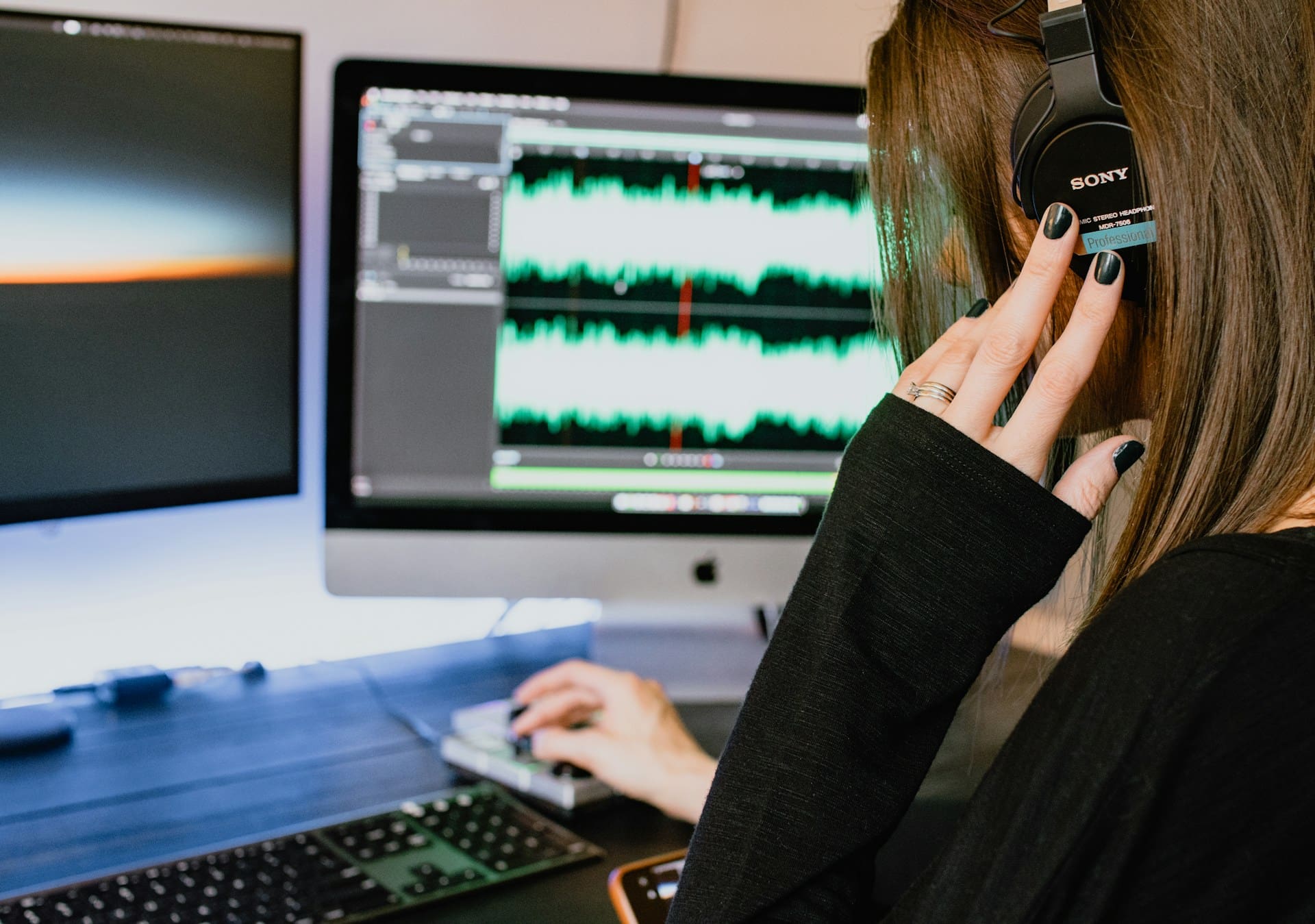
Audio-triggered mobile commerce turns sound into a direct path to purchase. A song hook, a voice line in a TV spot, or a short audio cue at a festival can shift a listener from passive attention to quick action on their phone. To make that work at scale, brands need clear measurement, tight sync across devices, and strong fraud and brand-safety controls.
In this article, we will walk through how to turn listeners into buyers in real time, what makes audio-driven journeys different, how to build an attribution setup brands can trust, and how to manage latency, fraud, and safety. We will also look at how to turn all that data into smarter seasonal playbooks for live events, sports, and back-to-school campaigns.
Turning Listeners Into Buyers in Real Time
Audio-triggered mobile commerce lets you meet people in the moment. A fan hears a call to action during a live stream, taps their phone, and then lands right on a product page while the excitement is still fresh. The same can be true at summer festivals, outdoor events, or back-to-school pushes in late August, when attention is high but short.
Common moments include:
- TV ads that trigger a “tap now” offer on phones in the room
- In-store audio that unlocks loyalty rewards or instant discounts
- Live streams where special drops are tied to music or voice cues
- Podcasts that send listeners to sponsors with sound-triggered deep links
With synchronized smartphones and speakers, sound becomes the trigger and the guide. Instead of asking people to remember a URL or type a code later, the second screen responds to the audio moment in real time. Our AiFi engine lets shared spatial audio networks detect these triggers, sync phones and screens, and watch the full path from sound to tap to purchase, all in software, without extra hardware boxes.
What Makes Audio-Triggered Mobile Commerce Different
Traditional digital ads usually start with a click or a search term. Audio-triggered mobile commerce starts with intent that shows up in sound, like a jingle, a short sound logo, or a spoken offer. The sound signal is the key that opens the path.
This brings a few twists:
- The first signal of interest is a sound match, not a banner click
- Multiple people can get different offers from the same shared audio
- The whole setup has to respect privacy and consent from the start
In a living room or at a bar, many phones can be listening to the same TV spot or stream. One person might get a fan offer, another might get a new customer deal, based on their app history or preferences. That makes measurement less simple, because you are not tracking one ad to one device; you are watching a group experience play out.
Privacy matters here. People should know that an app can listen for specific audio triggers, and they should be free to say yes or no. With on-device listening, the sound never needs to leave the phone as raw audio. Only matched triggers and outcomes matter, which can fit well with stricter privacy rules.
Building an Attribution Framework That Brands Trust
For brands to lean into audio-triggered mobile commerce, they need an attribution model that feels fair and clear. A big part of that is the conversion window, or how long after a sound event you still count a purchase as related.
That window might change by setting:
- Live sports or concerts: very short windows, often seconds or a few minutes
- Retail stores: slightly longer, to allow walking, browsing, and scanning
- At-home TV or podcasts: flexible windows, since people might grab a snack first
Matching triggers to actions can be deterministic, probabilistic, or a mix. Some tools include:
- Unique promo codes spoken or sung in the audio
- Deep links that launch right from the triggered app into a specific offer
- Limited device graphs, used with care, to keep identity sharing low
- Location context, for example matching a store audio trigger with being in that store
To understand real lift, brands can run tests. That might mean geo-splits where some cities get audio triggers and others do not, time-based tests where only certain hours use sound triggers, or classic A/B tests where a sound-triggered offer is compared with a normal on-screen offer. The goal is to see clear incremental impact, not just total sales.
Tackling Latency and Sync in Second-Screen Journeys
Audio-triggered mobile journeys depend on timing. If a fan hears a call to action, glances at their phone, and the prompt shows up late or early, the magic breaks. Milliseconds stack up quickly when you mix broadcast delays, streaming buffers, and phone processing.
Real-world issues include:
- Streaming lag differences between platforms and devices
- Network load at crowded summer festivals or stadiums
- Older phones that take longer to process signals
- Shifts between 4G and 5G with variable response times
To keep the “hear it, tap it” feel, the system has to predict, sync, and adjust in real time. This is where our AiFi software comes in. By building a shared spatial audio network across speakers, screens, and smartphones, AiFi keeps all devices on the same clock. That lets the prompt, deep link, or interactive layer on the phone line up with the exact audio beat or voice line that carries the offer.
Fraud Prevention and Brand-Safe Audio Environments
Any path to purchase can face abuse, and audio-triggered mobile commerce is no different. There are unique risks, like trying to fake sound triggers or replay them in bulk.
Some examples brands worry about:
- Simulated audio signals played through speakers in empty rooms
- Looped broadcasts running all day in device farms
- Noisy environments where the wrong sound gets matched
- Misattributed conversions where sound and action do not truly connect
To manage this, signal integrity is key. Strong setups can:
- Use multi-factor signal checks, not just a single fingerprint
- Look at ambient noise patterns, to see if the context sounds real
- Add geospatial checks, for example matching audio triggers with known venues or event zones
Brand safety also matters. Advertisers usually want their offers to appear only with certain content types, event partners, or venue categories. They may want to be inside live sports, but not inside certain shows, or only in stores that match their values. Controls that allow whitelisting content and inventory sources help protect brand trust while still taking advantage of audio-triggered experiences in rich, social settings.
Turning Measurement Insights Into Scalable Revenue
Once a brand has good attribution and controls, the next step is using those insights to grow revenue. Audio-triggered mobile commerce creates new metrics, like:
- Trigger-to-click rate, how often a sound event leads to a tap
- Add-to-cart lag, how long it takes someone to start buying after the trigger
- Redemption patterns, which offers get used quickly and which fade
These signals help teams tune creative and timing. A brand might learn that a shorter voice call to action works better in bars than at home, or that late-summer triggers around travel deals perform best in the early evening. For back-to-school campaigns, sound triggers during sports practices, bus rides, or evening TV can connect school gear offers with family attention. End-of-summer travel deals can be tied to live streams of beach events or festival recaps, turning shared listening into shared planning.
Here in Sweden, we know how much seasons and light shape daily life. Long summer nights, packed festivals, and busy fall routines all create strong audio moments. Audio-triggered mobile commerce lets brands move with those rhythms, turning shared listening into smart, measured, and safe second-screen shopping that feels natural for listeners and powerful for marketers.
Drive In-Store Sales With Audio-Triggered Mobile Experiences
Turn any sound in your venue into a seamless path to purchase with our audio-triggered mobile commerce solution. At Sound Dimension, we help you connect physical experiences with mobile engagement so customers can act in the moment. Share your goals and environment with us, and we will work with you to design a tailored implementation that fits your customer journey. If you want to explore possibilities or request a demo, simply contact us.