
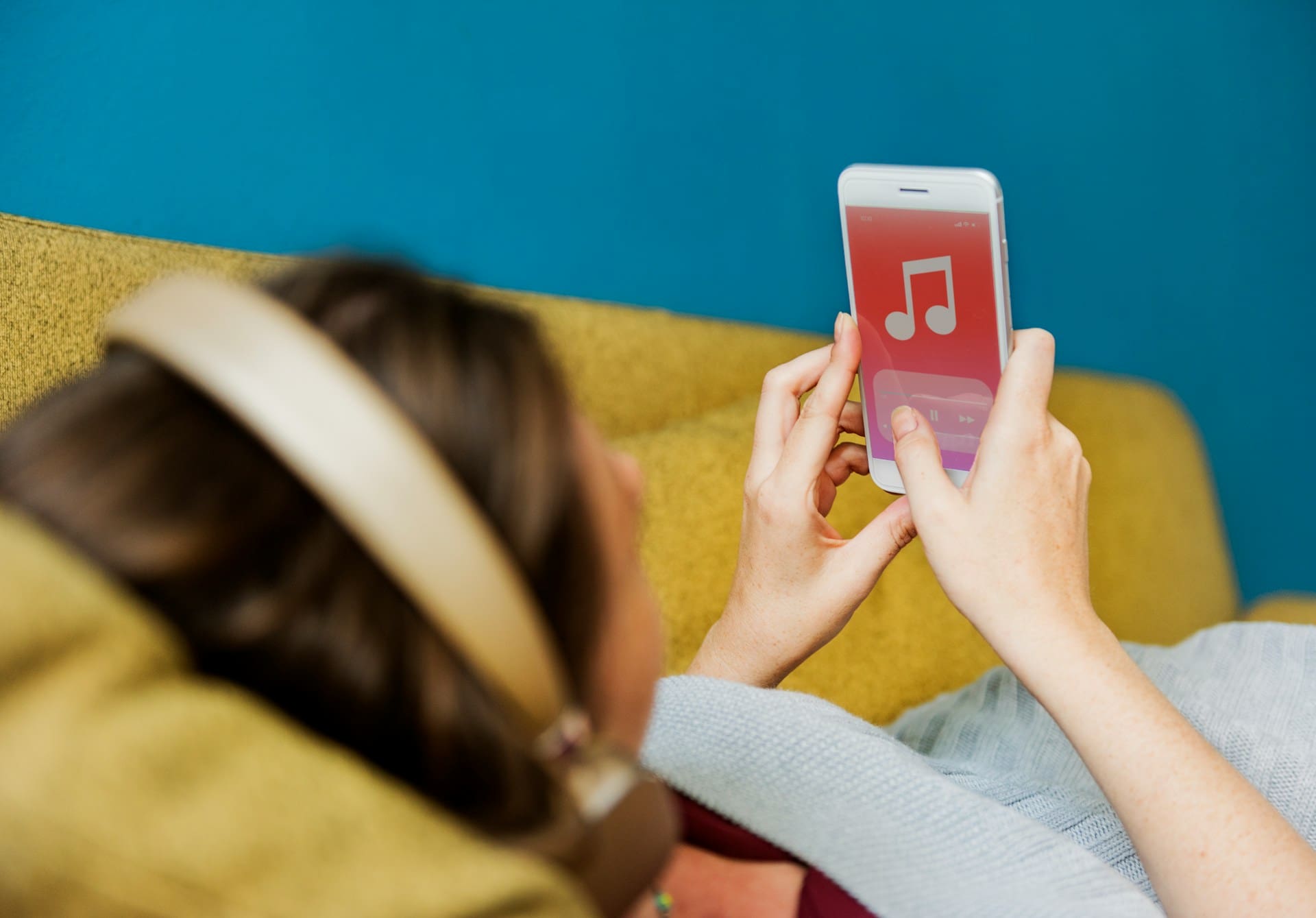
Turn up Engagement with Social Sound Experiences
Sound inside apps is powerful, but most products treat it like background noise. It plays, users half-listen, and nothing really sticks. When we turn sound into a shared experience, it starts to drive emotion, comments, and repeat use.
In-app social sound features take listening from “just playing in my headphones” to “we are in this together right now.” That shift matters for streaming, social, and commerce apps that want people to stay longer and come back more often. When users feel an event, not just content, they return for the feeling.
Midsummer is the perfect time to see this in action. People are at festivals, traveling, sitting in parks, watching sports outdoors. They already pull out their phones, gather around screens, and try to sync audio on their own. Your app can meet them there with built-in shared listening across devices.
The good news is that this no longer needs extra hardware. With software-only engines like our AiFi technology at Sound Dimension in Sweden, multiple smartphones, speakers, and screens can sync into one shared, spatially aware soundscape. That means a bigger experience, using devices people already own.
What Users Really Want From Social Audio
If social sound feels like a chore, people ignore it. Users expect it to just work, without reading a guide or buying new gear.
Most users want three simple things:
- Effortless setup with one or two taps
- No weird echoes or delays between devices
- No extra accounts, cables, or boxes
Privacy and control are just as important. People want to decide:
- Who is in the listening group
- What is shared, like audio only versus full session details
- When to join, leave, mute, or pause
Different groups use social sound in different ways. Think about:
- Friends at a party who want louder, fuller music in the room
- Fans watching live sports together, online or side by side
- Shoppers exploring products in a live stream or launch event
Each group wants the feature to feel like part of the app they already love. Not a hidden setting, not a strange add-on. If social audio feels native to your player, your chat, or your event view, people are far more likely to try it and keep using it.
Designing Frictionless in-App Social Sound Features
Friction is the enemy of adoption. If people hit one confusing screen, they back out.
Onboarding should be as light as possible. Aim for:
- Single-tap join from a clear button in the player or live event
- Simple, short prompts in the flow instead of long tutorials
- Helpful tooltips that appear only when needed
Once users are in, controls should live on one main screen. From there, it should be easy to:
- Adjust volume for each device or for the group
- See who is listening and who is hosting
- Check if playback is in sync without digging into settings
latency-free, synchronized sound is not a “nice to have.” If one phone is ahead of another, users notice right away. Even small delays feel off and can make people turn the feature off after one try. Reliable sync is the core of the experience, not just a technical detail.
You can also build trust with small UI cues. Device avatars, join animations, and connection strength indicators all tell users, “yes, you are in the same shared sound right now, and here is what is happening.”
Crafting Spatially Aware Group Soundscapes
Spatially aware audio sounds fancy, but the idea is simple. Multiple phones and speakers work together like one bigger sound system. Instead of each device playing the same thing on its own, they become parts of one sound field.
Think of common layouts:
- Devices around a table during a game or co-watch session
- A TV or tablet in front, phones around a living room
- Phones scattered outside during a barbecue or small festival pre-party
When the system knows where devices are, it can adjust timing and volume so the sound feels wide and smooth around the group. That is where software engines like AiFi come in. They can detect participating devices, handle the sync, and spread the sound without asking users to play audio engineer.
This does not need to feel technical. You can make setup playful: quick calibration flows, a simple “place your phone here” screen, or a visual map that fills in as friends join. Small animations when a new device connects or when the sound field “locks in” turn a technical step into a fun group moment.
Driving Habitual Use, Not One-Off Gimmicks
A social sound feature that people try once and forget is just a checkbox. To build a habit, design around real moments users already love.
Good anchors for repeated use include:
- Summer parties, road trips, beach days, and backyard nights
- Live music streams, festival recaps, and fan listening sessions
- Big sports days, local team games, or global tournaments
- Shopping events, live drops, and product reveal streams
Prompt social sound when intent is high. For example:
- A button on the player during popular tracks or live events
- A small banner in group chats when people share the same link
- A quick nudge like “Friends nearby, want to sync this sound?”
To keep improving, track key signals over time, such as:
- Group session length
- Average group size
- Join and leave rates
- How often users come back to social sound after the first try
These numbers help your team see what feels natural and what feels like effort, so you can refine where, when, and how the feature appears.
Monetizing Shared Listening Without Killing the Vibe
Shared listening creates strong attention, and strong attention can support revenue if it is handled with care. The goal is to feel like you are adding to the event, not breaking it.
Some respectful ways to weave monetization into in-app social sound features are:
- Premium quality or spatial modes for subscribers
- Sponsored listening rooms around big games or cultural events
- Co-listening sessions hosted by brands with special content
Commerce apps have extra options. Group sound can power synchronized product demos, limited-time drops, and shoppable streams where everyone hears the same countdown, reveal, or host comments at the same moment. That shared timing increases excitement and can help more people take action together.
When sound is synced across devices, brands and ad partners get a clearer sense that a whole group is paying attention at once. That can support higher-value placements, as long as ads and sponsored segments feel like part of the show, not an interruption.
As a Swedish audio technology team at Sound Dimension, we build our AiFi engine so streaming, social, and commerce platforms can offer these shared, spatially aware experiences with software only, using phones and speakers people already carry. Shared sound, when designed well, becomes less of a novelty and more of a natural part of how people connect through your app.
Transform Your App Experience With Connected Listeners
Bring your audience together in real time with our advanced in-app social sound features that turn passive listening into a shared experience. At Sound Dimension, we work closely with your product and engineering teams to integrate scalable, low-latency sound technology that feels native to your app. Whether you are prototyping or ready for full rollout, we help you define the right use cases and technical approach. If you are ready to explore what is possible, contact us to discuss your next release.