
Turning Passive Listening Into Social Experiences
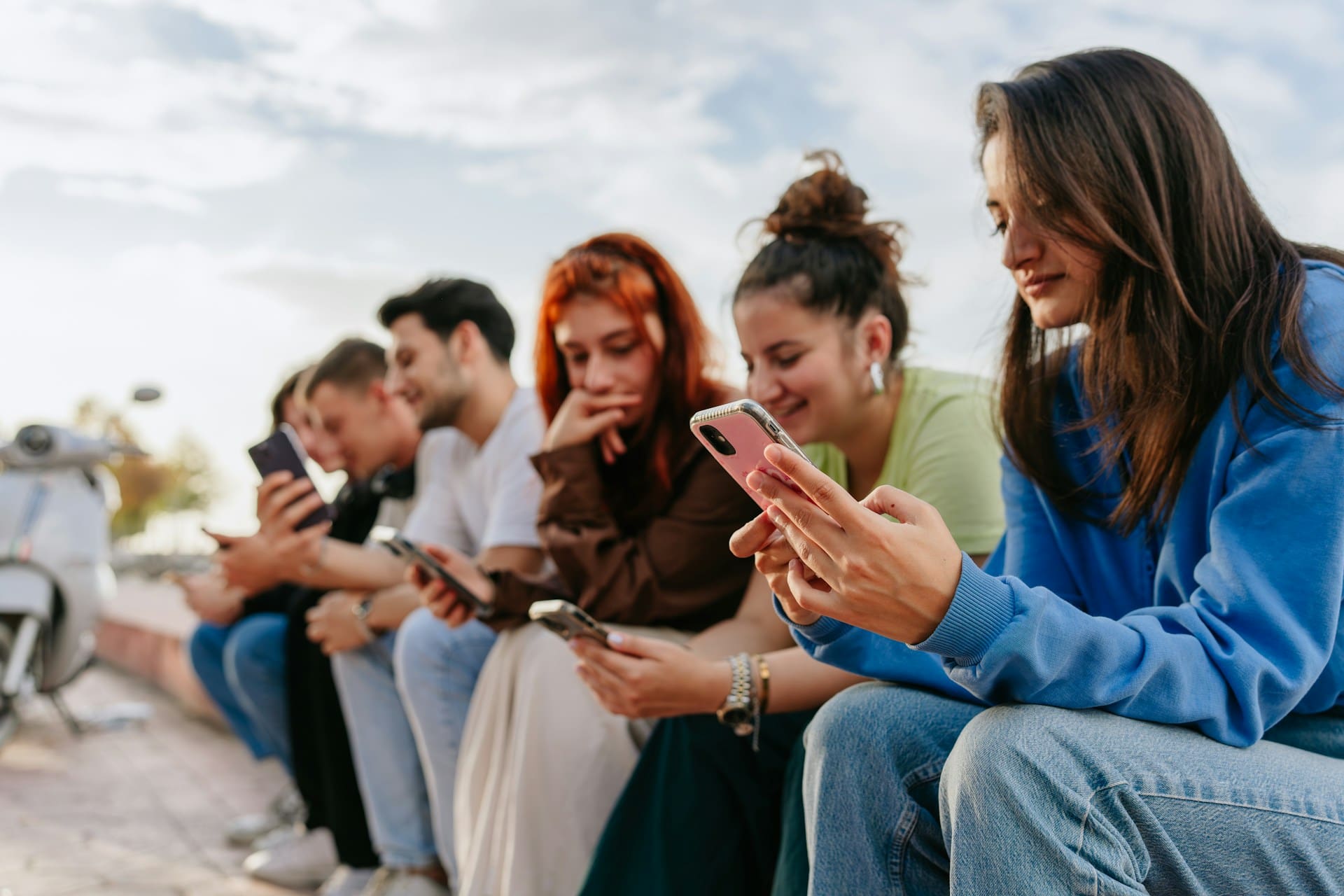
Most streaming apps still treat listening as a private bubble. One person, one phone, one pair of headphones. That might work on a quiet weekday night, but it starts to crack when real life kicks in with graduations, barbecues, spring festivals, and crowded living rooms during big games.
People gather, but the sound stays lonely. Everyone ends up playing different tracks from different apps on tiny speakers that fight each other. Platforms pour energy into personal recommendations and smart playlists, while the social side of audio is left behind. That is a problem, because shared listening is where longer sessions, more sharing, and higher revenue often start.
Social audio in a streaming context is not just chat boxes and emoji reactions. It is synchronized, shared, spatially aware sound across multiple devices, all working together as one system. When platforms overlook social listening technology for apps, they quietly cap engagement, retention, and monetization without even noticing.
At Sound Dimension in Sweden, we build AiFi, a software-only SDK that turns everyday phones, speakers, and screens into a unified soundstage. We will use what we know from that work to show common mistakes streaming platforms make with social audio, and how those gaps show up every spring and early summer, when people want to listen together most.
Mistake 1: Treating Listening as a Single-Device Activity
Many product roadmaps still assume a simple model: one user, one device, one stream. The app is designed around headphones or a single Bluetooth speaker. That looks clean in wireframes, but it clashes with what actually happens when people meet up outdoors or at home.
Here are some common missed chances we see:
- No quick way to sync several phones into one shared session
- No shared controls, so everyone fights over one device
- Clunky casting that breaks when someone walks to another room
- Group listening features that stop working when Wi-Fi or network changes
Social listening technology for apps can flip this model without breaking the personal side of streaming. With the right SDK, an app can:
- Automatically discover nearby devices and create a temporary listening group
- Keep streams tightly synced to avoid echo and strange phase effects
- Let each person stay logged into their own account and profile while sharing sound
When streaming stays stuck on a single device, platforms pay a price. Group sessions end early because the sound feels weak or annoying. Fewer shared moments means less organic buzz, fewer social shares, and fewer reasons for entire friend groups to pick one app as their default. In a crowded market, staying in solo mode makes it harder to stand out.
Mistake 2: Ignoring the Physical Space Around the Listener
Most streaming experiences are built as if the listener is alone with headphones or sitting right in front of one speaker. The app does not know if it is running in a tiny kitchen, a large living room, or out on a patio in mild Scandinavian spring weather.
As the weather warms and people start moving between balconies, backyards, and living rooms, expectations shift. People want sound that simply follows the group and fills the space, without a long tech setup session.
Spatial awareness can make a huge difference here. With smart software, a platform can:
- Balance sound across several phones, TVs, and speakers so it fills the room evenly
- Assign roles to devices, for example stronger bass on one unit and clear mids and highs on others, using only software
- Adjust in real time as people join or leave, so the sound stays steady with no manual tweaking
When audio responds to the room, listening feels premium, even with simple hardware. Gatherings feel smoother, parties feel more relaxed, and users start to trust that one app will handle sound for the whole event. That kind of calm, reliable feeling is powerful. It pushes people to use the same platform again and again whenever they host something.
Mistake 3: Overlooking Social Listening in Monetization Models
Most monetization strategies are built around one listener at a time. Ads, subscriptions, and in-app purchases are all designed for a single pair of ears. But when people listen together, attention works differently, and so do buying decisions.
We often see blind spots like:
- No audio formats tuned for multi-device rooms, where sound should be clear but not overwhelming
- No premium upsell for a special party mode with stronger spatial audio and better group controls
- No contextual offers around big social moments like watch parties, sports streams, or outdoor festivals
With social listening technology for apps in place, new options open up. Platforms can test:
- Time-synced, environment-aware ad formats that respect group listening and feel thoughtful instead of loud
- Tiered subscriptions that unlock richer social soundscapes, extra control for hosts, or longer group sessions
- Sponsored social listening experiences around seasonal events where people already gather and listen together
When a platform gets this right, social audio features can turn casual free users into paying hosts. The person who wants the gathering to feel great is often ready to pay for better sound, smoother control, and fewer limits, especially during key seasonal events.
Mistake 4: Treating Live and Social Audio as Separate Worlds
Live audio, like concerts, sports, and live talks, is often handled in one silo, while everyday listening sits in another. Each has its own features, but there is not much shared social glue between them.
During late spring and early summer, this split feels even sharper. People mix live sports playoffs with backyard playlists, or stream a festival together then move to favorite tracks, all in the same afternoon. They want to move smoothly between live and on-demand, with friends alongside them.
Unified social audio can help a lot by:
- Letting friends sync the same live stream across several devices in different homes with minimal lag
- Turning any on-demand playlist, album, or podcast into a spatially aware, co-listening session for in-person groups
- Keeping group sessions alive when the content changes from a live show to a follow-up playlist
When both live and on-demand feel naturally social, platforms stop being just apps on a screen. They become habits for whole circles of friends. That kind of group loyalty is hard to copy and can keep people from hopping to other services.
Turning Social Audio Into Your Next Competitive Edge
Streaming platforms that keep thinking in solo-device terms will keep missing what happens at social moments. Graduations, barbecues, sports finals, outdoor parties: these are times when people want shared sound, not just personalized sound.
A simple roadmap for change looks like this:
- Audit common user journeys to see where group listening breaks or feels awkward
- Add low-friction features that sync nearby devices and respond to the physical environment
- Experiment with monetization that centers on group sessions and spatially aware experiences
Software-only spatial audio, like what we build with AiFi at Sound Dimension, makes this shift much easier. Platforms can use the phones, speakers, and screens people already own, turning them into one coordinated soundstage without new hardware. When social listening technology for apps moves from afterthought to core feature, ordinary streams turn into shared soundscapes that keep people listening longer, coming back more often, and inviting others along.
Transform Your App Experience With Actionable Audience Insight
If you are ready to understand what your users really listen to and share in real time, explore our social listening technology for apps. At Sound Dimension, we help you turn everyday audio moments into insights that drive smarter product decisions and stronger engagement. Whether you are in early development or scaling an established platform, we work with your team to integrate seamlessly and securely. Have questions about fit or implementation details? Contact us so we can talk through your specific use case and next steps.