
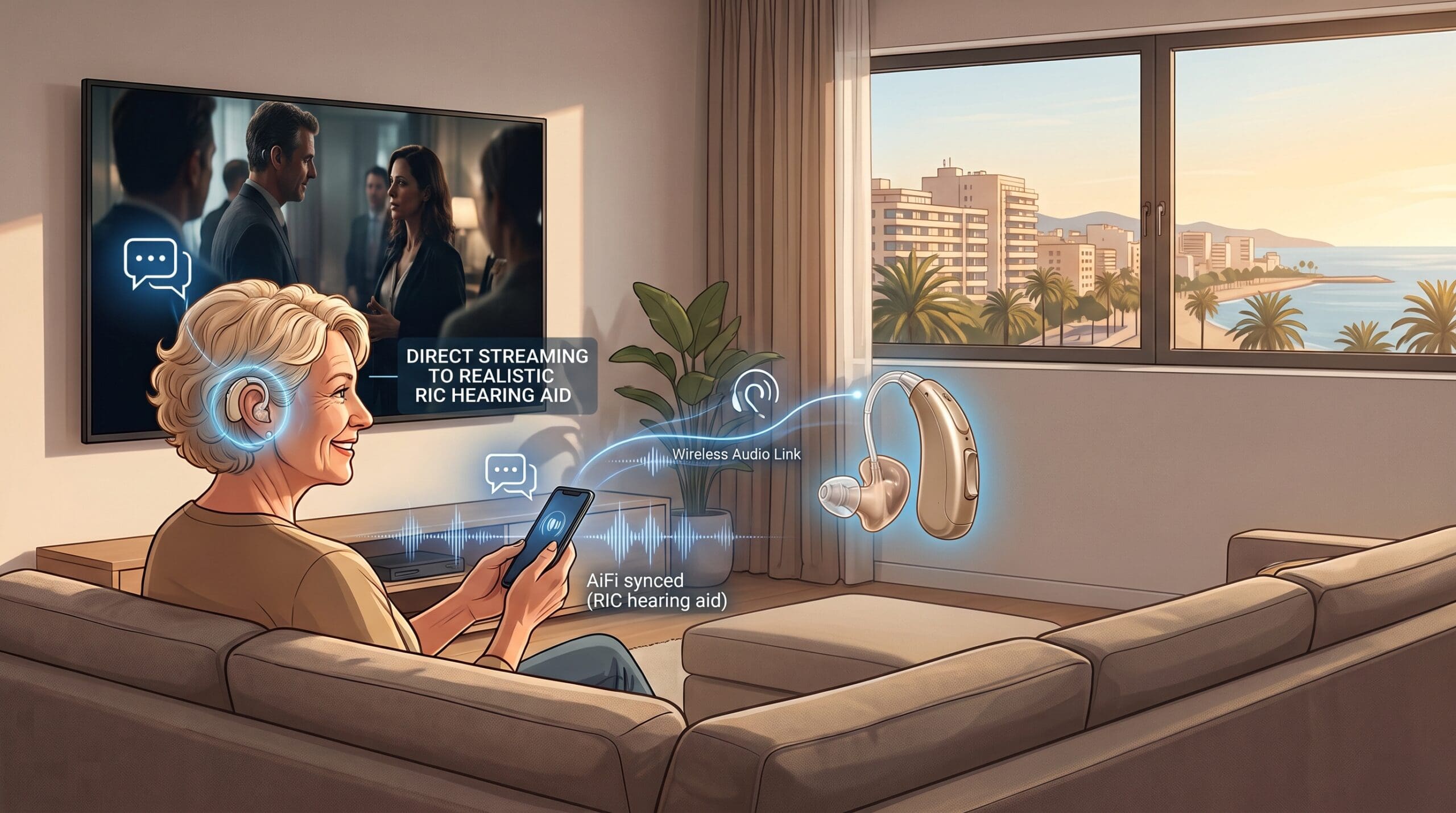
When the European Accessibility Act took effect in June 2025, it set a new floor for digital inclusion. Broadcasters and streaming platforms moved fast on the checklist. Subtitles are standard now. Audio description is working its way into more release pipelines.
But talk to accessibility advocates, to audio engineers, or to any of the millions of people living with mild-to-moderate hearing loss, and the same complaint comes up every time.
They still can’t make out what the characters are saying.
Subtitles help you read the words. That’s a visual fix for a problem with the sound. And plenty of people don’t want to read the screen. They want to hear the dialogue.
Why the dialogue keeps getting lost
Sound design got ambitious. Engineers build detailed spatial mixes, big effects, full orchestral scores, all tuned for a proper cinema setup.
Then that mix lands on a normal living-room TV or a phone, and the old fight starts.
Turn it up to catch a mumbled line, and the next explosion rattles the windows. Flatten everything out so the dialogue sits on top, and you’ve thrown away the sound designer’s work for everyone else in the room.
For someone hard of hearing, that’s a nightly compromise. Same for anyone watching in a loud kitchen, or in their second language. One shared stream can’t serve all of them at once.
A dialogue-forward track, on the device you already own
We built AiFi at Sound Dimension to fix exactly this.
Instead of pushing one compromised mix through the main speakers, AiFi sends a personal, dialogue-forward track straight to the listener’s own device.
How it works:
- On gear people already have. The dedicated dialogue track goes to the phone in their pocket, their earbuds, or most modern Bluetooth hearing aids. Nothing to buy.
- In tight sync. The personal stream stays locked to the broadcast on the main screen, so there’s no echo, drift, or delay.
- Untouched for everyone else. The rest of the room keeps the full cinematic mix through the soundbar or the TV, exactly as the sound designer intended.
No production changes. No new hardware.
Accessibility projects usually stall for the same reasons. They need infrastructure spend, new hardware in people’s homes, or another step bolted onto an already messy post-production pipeline.
AiFi skips all of that. It runs as software.
- It sits as a software layer on your existing streaming setup.
- Your audio team doesn’t re-master the back catalogue or change how they mix new shows.
- Viewers use the tech they already carry and trust. No proprietary listening device.
Past the checklist
Meeting the EAA matters. But clearing a mandate and actually including people aren’t the same thing.
Real inclusion is someone following the story without straining, and without turning the volume war into a nightly argument in their own living room.
Pull personal dialogue clarity apart from the room mix, and you protect the artistic vision and give every viewer the sound they need. Both.
Want to see how AiFi fits your streaming setup? Get in touch with the Sound Dimension team for a live demo: https://sounddimension.se/accessibility/