
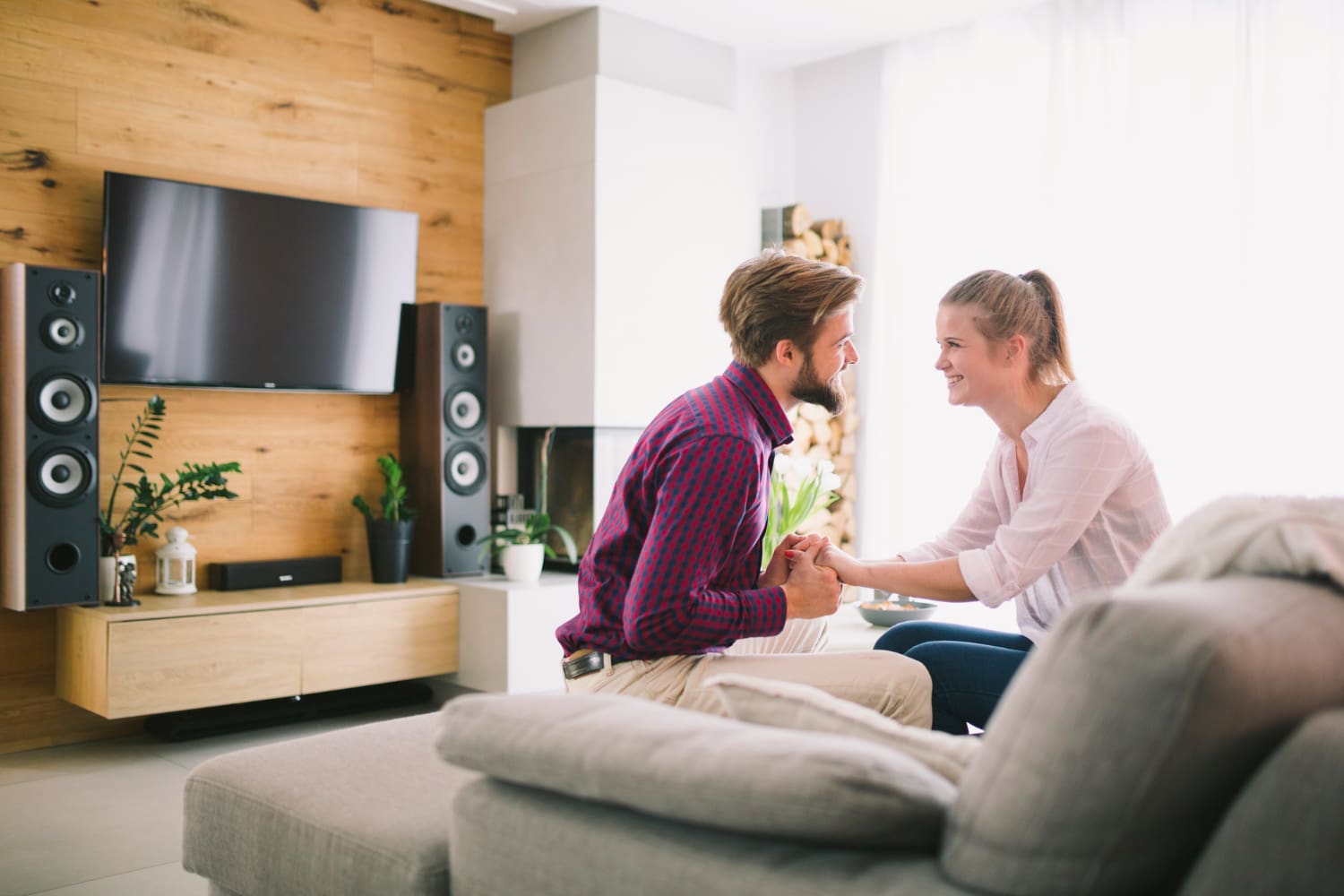
Streaming is easy, but it often feels lonely. We put on headphones, hit play, and drift into our own little worlds, even when we are standing in the same room as friends. This article is about doing the opposite: turning streaming into something shared, active, and alive. We will show how to create a shared soundscape that uses the phones, TVs, and speakers you already have, so sound becomes the center of the moment again, not just background noise.
We call these shared experiences social soundscapes. Instead of one person controlling the playlist while everyone else tunes out, the whole group can hear the same thing at the same time, shape what plays next, and feel like they are part of the same moment. As an audio tech team from Sweden, we care about this because sound has always been social, from living room radios to outdoor parties. It is time for streaming to catch up.
Why Passive Streaming Is Holding us Back
Think about a warm late-summer night. Friends are over in the backyard, on a balcony, or in a small city apartment with the windows open. Music is playing, someone is grilling, people are laughing. Now think about how we usually stream in these moments: one Bluetooth speaker on a table, or worse, everyone on separate headphones, each locked into their own feed.
Passive streaming looks like this:
- Headphones in every ear
- Algorithmic playlists no one talks about
- A smart speaker in the corner that only one person controls
Active, shared listening feels different. When we all hear the same beat drop at the same time, the same joke on a podcast, or the same goal in a live match, something happens in the room. People react together. Sound becomes part of the social glue.
That is what we mean by social soundscapes: dynamic listening spaces where everyone can join, influence, and feel present together. At Sound Dimension, our AIFI technology is built to turn phones, TVs, and speakers into one unified, spatially aware sound system, so streaming can move from passive to shared with simple software, not special hardware.
From Background Noise to Social Signal
Not that long ago, listening was a shared ritual. Families gathered around a radio or a stereo. Friends sat in a room and played an album from start to finish. Sound had a clear place in the day, and it pulled people together.
Now, audio often lives in our pockets. It leaks from earbuds, laptop speakers, or a single TV in the background. The result is that sound turns into noise, something we half-hear while scrolling or doing chores. We lose some of the social power that comes from listening at the same time.
Shared listening affects how we feel as a group. When a whole room sings along to the same chorus, people feel closer. When a group hears a podcast or a live audio room together, they talk about it in real time. We remember events by the tracks or moments we shared, like the song that played during that long sunset or the commentary from that tight game.
Most platforms still treat sound mainly as content to push. They focus on what to recommend, not on how people might listen together. That misses chances like:
- Co-listening with friends in the same space
- Co-creating queues and mixes on the fly
- Feeling live presence, not just hearing a file
Social soundscapes bring that social signal back into streaming.
What Makes a Soundscape Truly Shared
A shared soundscape is more than “we all press play.” It is a coordinated, smart audio space where many devices act like one, and the experience adjusts to the room and the people in it.
There are three key pieces:
- Synchronization so every phone, TV, and speaker plays the same moment together, without weird echoes
- Spatial awareness so the system understands how big the space is and where devices are, then shapes sound around that
- Social control so guests can suggest tracks, react, and vote, instead of one person acting like a DJ gatekeeper
Think about:
- A summer house party where phones in the kitchen, living room, and patio blend into one soundtrack
- An outdoor movie night where the TV and nearby phones sync to make dialogue clear for everyone spread across the yard
- A sports watch party where the living room TV and speakers in the balcony share the same commentary with no delay
Once sound is shared like this, a single Bluetooth speaker in the corner feels flat and a bit lonely by comparison.
How to Create a Shared Soundscape Anywhere
People often think they need fancy gear to get big, room-filling shared sound. That used to be true. Now, how to create a shared soundscape is really about how we connect the devices we already own.
Here is what a typical flow can look like with an app that uses AIFI or a similar audio layer:
- The host opens a supported streaming or social app and starts a shared session
- A code, simple link, or QR pops up so guests can join with a tap
- Guests choose if their phones should join the sound or just join for control and reactions
- The system syncs playback across all devices, sets levels, and shapes the sound to the room
No one has to walk around adjusting every speaker. The software does the hard parts in the background. Phones that are closer might play a little softer or handle certain frequencies. A TV can act as an anchor, while smaller speakers fill gaps.
So how to create a shared soundscape shifts from “go buy new hardware” to “turn on the right software layer.” The room itself becomes your audio canvas, and everyone contributes by simply showing up with a device.
Turning Everyday Spaces Into Social Sound Hubs
Late summer is perfect for this. Vacation rentals by the coast, city rooftops, student dorms filling up, backyard dinners that go a bit too late when the air finally cools down. All these spaces are ready-made for social soundscapes.
You can split your shared soundscape into zones, like:
- Kitchen and grill area with upbeat music
- Living room with mixed music and light commentary
- Balcony or garden with a softer, more relaxed mix
People move, but the sound moves with them. Guests do not have to crowd around the “good speaker,” because the whole place feels like the good spot. At the same time, you can keep certain areas calmer, like a quiet corner for kids, a room for deeper talks, or a language-specific zone for friends who want their own feed.
Shared does not mean one-size-fits-all. It means one connected system that still respects different needs inside the same gathering.
Why Platforms and Brands Need Social Soundscapes
Streaming and social platforms care about time, attention, and connection. Social soundscapes help with all three by turning listening into something people do together, not just alone in a feed.
When sessions become group activities, a few things tend to follow:
- People stay longer because they are engaged with friends, not only with content
- There is more interaction, from reactions and votes to chat around what is playing
- Co-listening moments become natural places for creators and brands to meet people
Shared sound makes it easier to do synchronized merch drops, live events with audience input, or location-aware experiences tied to what the group is hearing. Instead of forcing people into a specific hardware ecosystem, a software-only, hardware-agnostic SDK like AIFI lets platforms light up the devices people already own and turn them into social listening hubs.
We built AIFI at Sound Dimension for exactly this kind of future. When phones, TVs, and speakers start acting like one spatially aware system, any stream can become a shared, social soundscape.
Create A Shared Soundscape That Brings Your Audience Together
If you are ready to turn individual listeners into a unified audio experience, we can help you design the ideal setup for your space. Explore How to create a shared soundscape to see how Sound Dimension connects multiple devices into one immersive sound field. Then reach out to contact us so we can discuss your goals and recommend the right solution. Together, we will turn your environment into a dynamic, shared soundscape that keeps people engaged.