
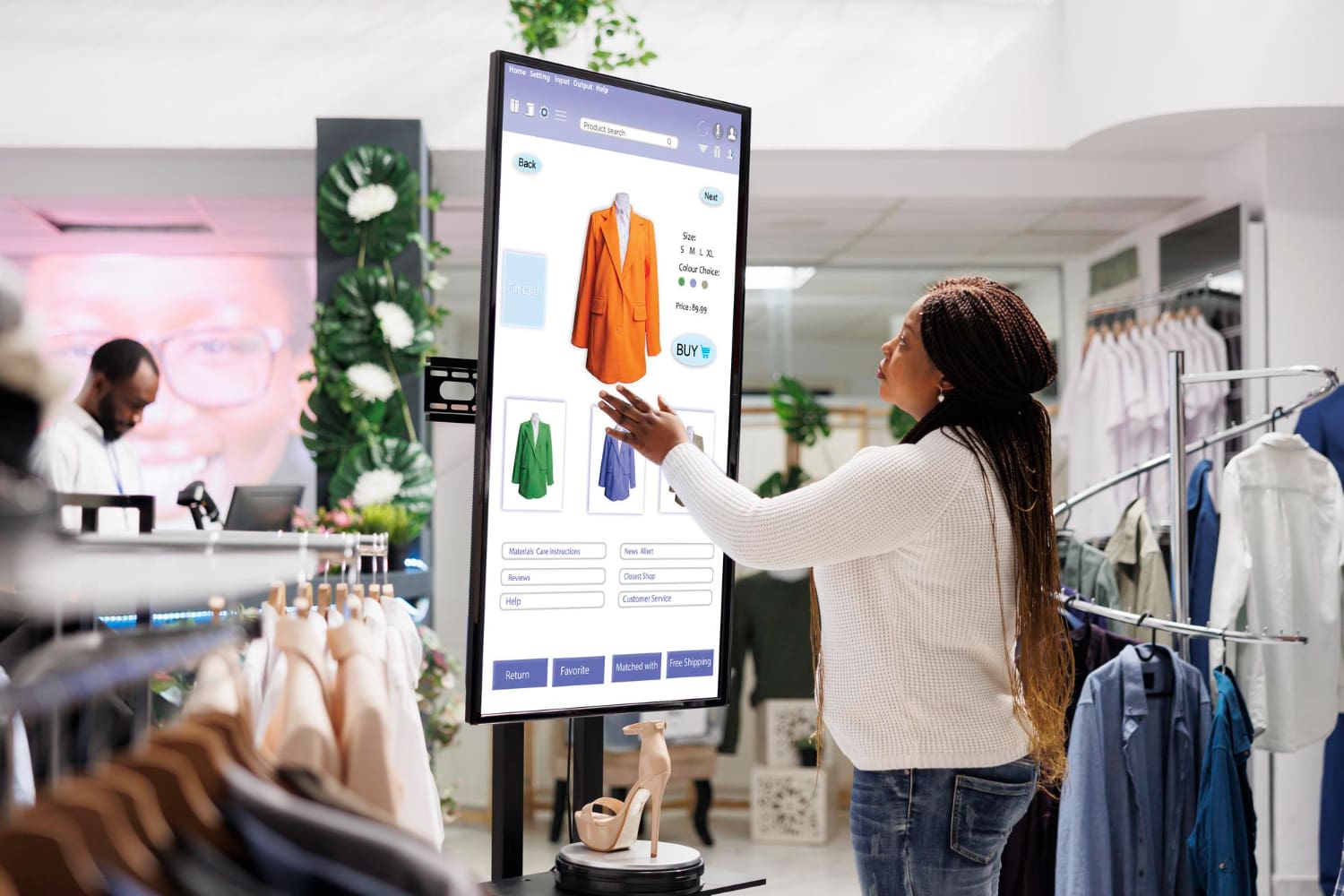
Viewers do not just want to watch anymore; they want to act. When someone sees a jersey during a big match or a speaker setup in a music show, they expect to be able to buy it on the spot, without hunting for a phone or scanning a tiny code. That is what a software-only shoppable TV solution is built for: it turns passive watching into easy, on-screen shopping.
In this article, we will walk through what software-only shoppable TV really means, how it works across everyday devices, why brands and streaming platforms are leaning into it, and how smart audio, like what we work on here in Sweden, can turn those moments into rich experiences. We will keep it simple, practical, and focused on what you can actually use for upcoming summer campaigns.
Turn Viewers Into Buyers with Software-Only Shoppable TV
Streaming-first audiences are used to tapping, swiping, and buying in a few seconds. They do not want to pause a show, grab a second device, search for a product, and hope they find the right one. They want to click, choose a size, and get back to the content.
A software-only shoppable TV solution brings that feeling right onto the big screen. It runs through:
- TV and streaming apps
- Cloud services that recognize what is on screen
- Connected commerce tools for checkout and tracking
No new remotes, no extra boxes, just software that works with what people already use in their living rooms, bedrooms, and on the go.
Summer is an especially strong season for this. Big sports events, music festivals, and travel shows fill screens. Viewers are already in the mood to buy: team gear, travel bundles, outdoor speakers, home audio, festival looks, and more. Shoppable TV lets brands turn those short moments of interest into instant action.
What a Software-Only Shoppable TV Solution Really Is
At its core, a software-only shoppable TV solution is a stack of connected tools that talk to each other. The main parts often include:
- TV and mobile apps for the viewer experience
- Cloud-based content recognition that knows what scene or item is on screen
- Product catalog connections so the right item appears at the right time
- Payment gateways for secure checkout
- Analytics layers to understand what people click and buy
The key idea is that everything lives in software. You do not need custom TV hardware, special dongles, or new set-top boxes. You can work with smart TVs, streaming sticks, phones, and tablets that people already own.
This is where our work at Sound Dimension fits in. Our AiFi engine can sit beside this stack and turn several connected devices in a home into a synced, spatially aware sound network. When a shoppable moment appears, the audio can shift and flow across speakers and screens, helping the viewer notice key products and hear richer stories without breaking the show.
How Shoppable TV Works Across Everyday Devices
Here is how a simple viewer flow might look:
- Someone sits down to watch a show, live sports, or a music event on their TV.
- A small icon or short message appears in the corner when a product is available.
- With a TV remote, voice, or a tap in a mobile app, they open a light panel on screen.
- The phone or tablet nearby shows the same product list so checkout feels safe and familiar.
Cross-device orchestration is what makes this feel natural rather than forced. Each device plays a role:
- TV screen: discovery and storytelling
- Phone or tablet: secure login, wallet, and checkout
- Connected speakers: clear dialog and sound scenes that highlight the moment
With an audio engine like AiFi running, multiple devices can share sound in a coordinated way. For example, when a premium sound system is shown in a home setup, the sound can gradually wrap around the viewer from different speakers, making that product feel real and present while keeping the show front and center. No QR codes, no awkward redirects, just native, on-screen flows.
Why Brands and Streamers Are Betting on Software-Only
For brands, streaming platforms, and content owners, software-only shoppable TV brings a few clear benefits.
Business advantages often include:
- Faster time from idea to live campaign
- Little or no hardware cost or installation
- Ability to test formats across genres, from sports to music to travel
- Flexible placement in both ads and content segments
On the data side, the gains are just as important. Because all the interactions happen in apps and cloud services, teams can see:
- How many people opened a prompt
- Which products drove the most interest
- How design, audio cues, and timing affected clicks
- How many viewers moved from watching to buying
Sound plays a big role here. With technology like AiFi, spatially aware audio can gently guide attention, for example by slightly boosting a product sound effect or shifting focus to a side speaker when a product card opens. This can make premium ad spots or sponsored segments stand out for music and video partners who want a more memorable, audio-first shoppable experience.
Designing Frictionless Shoppable TV for Summer Campaigns
Shoppable TV should feel like a natural part of watching, not a pop-up window that gets in the way. Good UX for summer campaigns often follows a few simple rules:
- Keep prompts small and quiet until the viewer interacts
- Use clear icons and short text so people know what is happening
- Make every control work with a basic TV remote and simple gestures
- Let people back out in one click if they just want to keep watching
Summer months open up fun content ideas:
- Shoppable travel series that link to luggage, cameras, and local experiences
- Fashion and beauty segments tied to warm-weather styles
- Outdoor gear shows with tents, grills, and portable speakers
- Back-to-school previews mixed into family content
- Live music events that feature merch, vinyl, and home audio equipment
With synced multi-speaker audio scenes powered by AiFi, these moments can feel more like a live show and less like an ad break. For example, when a fashion look appears during a music video, the beat can expand into the room through several speakers, while a gentle sound cue marks the shoppable prompt. The result is a product spotlight that still respects the flow of the content.
Getting Started with Software-Only Shoppable TV Today
If you are planning for upcoming summer peaks, it helps to start with a simple plan.
First, review what you already have:
- Current streaming apps and TV integrations
- Mobile apps and logins
- Product feeds and content libraries
Next, define a small set of shoppable use cases that match your strongest content, such as a big sports series, a travel block, or a live concert night. Then choose a software-only shoppable TV solution partner that fits your tech stack, audience, and content style.
On the technical side, teams will need to think about:
- SDKs and APIs for TV and mobile apps
- Tagging scenes or moments in content for shoppable triggers
- Real-time product feed updates
- Payment options and privacy rules in each region
- Low latency so audio, video, and prompts stay in sync
As you layer in audio innovation with tools like AiFi, you can start to test how spatial sound affects dwell time, recall, and purchase intent. The goal is not just to be louder, but to be smarter about where sound comes from, how it moves between devices, and how it supports the story you are telling on screen.
Turn Your TV Inventory Into a High-Performing Commerce Channel
Transform your existing broadcasts into interactive shopping experiences with our software-only shoppable TV solution. At Sound Dimension, we help you unlock new revenue streams without costly hardware changes or complex integrations. If you are ready to pilot or scale a new commerce experience, contact us today. We will work with your team to define a fast, low-risk path from concept to live deployment.