
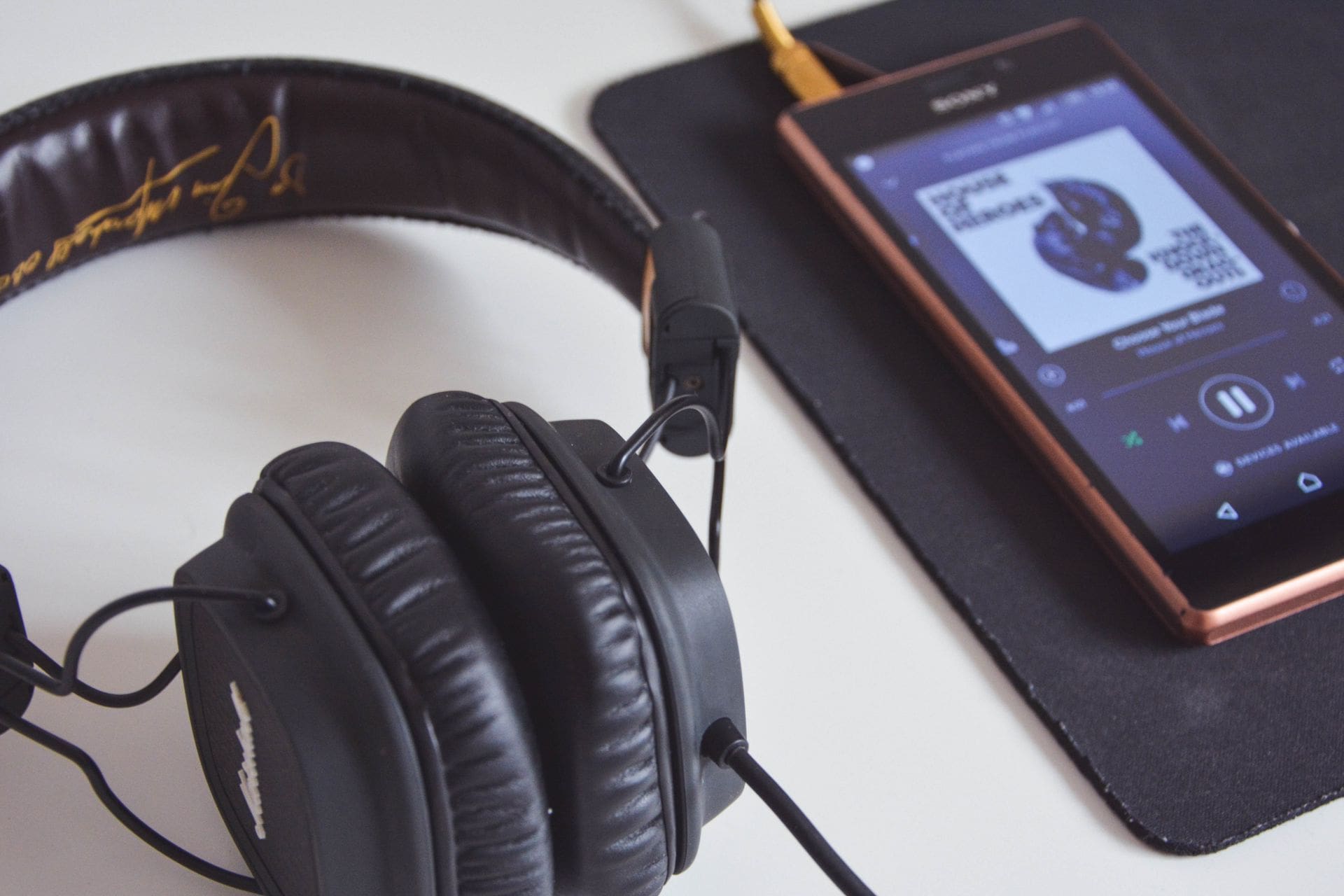
Portable surround sound is no longer a wild idea. With the right tools, your streaming app can turn everyday phones and speakers into a shared, cinema-like experience almost anywhere your users go. This matters because your audience is already watching your best content on the move, but the audio usually feels stuck in basic stereo.
In this article, we look at why surround sound has been trapped in the living room, how a software-based surround sound solution actually works inside an app, and what it can mean for engagement, ARPU, and brand perception. We will also cover key technical and UX points so your product and audio teams can judge if now is the right time to bring portable surround into your roadmap.
Portable Cinema Sound in Every User’s Pocket
Summer means open windows, late sunsets, and people streaming movies, concerts, and sports wherever they happen to be. On a balcony in the city, out by a lake, crammed into a small hotel room, users still crave big sound, but they do not want to carry home theater gear in a backpack.
Think of a group gathering around a tablet to watch a big blockbuster or a final match. A couple of phones, maybe a Bluetooth speaker, or a smart screen, are already in the mix. With the right software inside your streaming app, all of these devices can join together as a single, room-filling surround system.
That is the big idea: a software-based surround sound solution that lives inside your playback experience. No new hardware kits, no special receivers, just smart audio logic that coordinates devices your users already own. This is the kind of problem we focus on in Sweden with our AiFi engine, where software turns smartphones, speakers, and screens into a synchronized, spatially aware sound network.
Why Surround Sound Has Stayed Stuck in the Living Room
Traditional surround sound was built around a single room and a single buyer. It usually requires:
- A dedicated AV receiver
- Proprietary surround speaker kits
- Careful cable or wireless setup
- Brand-specific ecosystems and lock-in
That model clashes with how younger and more mobile audiences actually watch content. Movies, drama series, and live sports are now just as likely to be viewed on phones, tablets, and laptops as on a big TV. Shared viewing happens on vacation, at a friend’s place, or outdoors, not only in front of a fixed home theater.
For streaming apps, that is a lost chance. Your most emotional, cinematic titles are often heard in flat stereo audio on tiny speakers, even when the video quality is high. Users feel the gap: sharp 4K or HDR on a small screen, but the sound does not match the drama of the picture.
How a Software-Based Surround Sound Solution Actually Works
Inside the app, the concept is simple. An SDK adds audio intelligence that can listen, measure, and coordinate sound across nearby devices running your service. Those devices talk to each other, sort out timing, and decide who plays which part of the mix.
Key ideas behind this approach:
- Device agnostic operation so phones, smart speakers, TVs, soundbars, and laptops can join in
- No need for special chips, dongles, or proprietary hardware
- The app becomes the control center that manages the group
The SDK can handle automatic synchronization so users do not hear echoes or delays, even when devices are different brands. It can also adjust which device takes which channel based on its location in the room, then adapt to different spaces, from a tiny cabin to a larger rental house.
For developers, this raises practical questions: where the processing happens, how it fits into existing playback flows, and how much UI change is required. A flexible SDK can mix cloud and on-device processing, plug into your current player, and use a minimal layer of UI so you add a new audio mode without redesigning the whole app.
Why Your Streaming App Needs Portable Surround Sound Now
Streaming catalogs and prices are starting to feel very similar. Features around the content are what stand out. Portable surround can be a clear differentiator that ties directly to the quality of your movies, concerts, and sports rights.
Think about the impact on engagement:
- Big releases feel more like an event, not just another scroll
- Live concerts and festivals get a sense of presence for people who could not be there
- Sports streams feel closer to being in the stadium
These experiences are social by nature. A special surround mode can nudge users to invite friends, set up group viewing, and share clips or photos on social media. When they remember that great balcony movie night or that loud summer sports watch party, your app is part of that memory.
Summer is an ideal season to test and promote this feature. Blockbusters, music festivals, and major games are all ripe for more immersive sound. Users are also on the move, staying in rentals, hotels, and guest rooms that may not have good TV sound, but do have plenty of phones and portable speakers.
Business Impact From ARPU to New Audio Commerce
Portable surround is not only a cool feature, but it can open up new ways to grow revenue and partnerships.
On the product side, you could explore:
- Premium audio tiers that unlock surround for selected titles
- Temporary surround passes for big premieres or finals
- Bundles that package surround sound with ad-free viewing or downloads
For ad-supported models, surround events create space for branded experiences around live shows, concert films, or special premieres. A sponsor can be tied to an audio mode that is clearly noticed and can be measured by session length, repeat use, and social chatter.
There is also room for cross-promotions. Device makers, telecom providers, and hospitality venues such as hotels, resorts, or cruise ships may want easy access to premium sound through your app instead of installing custom systems. As you roll this out, you gain data on how users form multi-device setups, which content they pick for surround, and how patterns differ across regions and seasons.
Technical and UX Essentials for a Frictionless Rollout
For users, great audio is only impressive if it is easy. The UX should feel light and clear, even for someone who does not know what surround sound means.
Helpful design ideas include:
- Simple prompts like “Tap to add this phone as a speaker”
- Quick, reliable device discovery inside the app
- Clear visual feedback that shows which device plays which role
Under the hood, performance is key. Low latency sync is needed so speech and effects line up across devices. The system should handle different Wi-Fi or hotspot conditions and fall back to regular stereo without drama if the network is not strong enough that day.
Compatibility and scale matter too. The feature should work across common OS versions, device types, and screen sizes, and be careful with app size, battery use, and data traffic. Privacy and trust are just as important. Users should know what is processed locally, how devices talk to each other, and that personal content is not being recorded or stored.
Turn Your App Into a Portable Surround Sound Destination
We built Sound Dimension and our AiFi engine around one simple belief: immersive, shared sound should not be locked to one room or one set of speakers. With a software-first approach, your streaming app can unlock surround experiences anywhere users bring their phones and speakers, without asking them to buy new hardware.
As people travel, gather, and stream more during the warmer months, this is a strong moment to test portable surround around key movies, concerts, and sports events. By exploring SDK partners that specialize in synchronized, spatially aware audio, your product, audio, and partnership teams can reshape how users think about sound, and turn your app into the place they choose whenever they want portable cinema in their pocket.
Transform Your Audio Experiences With Intelligent Surround Sound
Discover how Sound Dimension can help you deliver immersive, scalable audio with a software-based surround sound solution that adapts to real-world listening environments. We collaborate closely with product teams to integrate our technology into your existing hardware and workflows. If you are ready to explore what is possible for your next product or deployment, contact us so we can discuss your specific goals and use cases.