
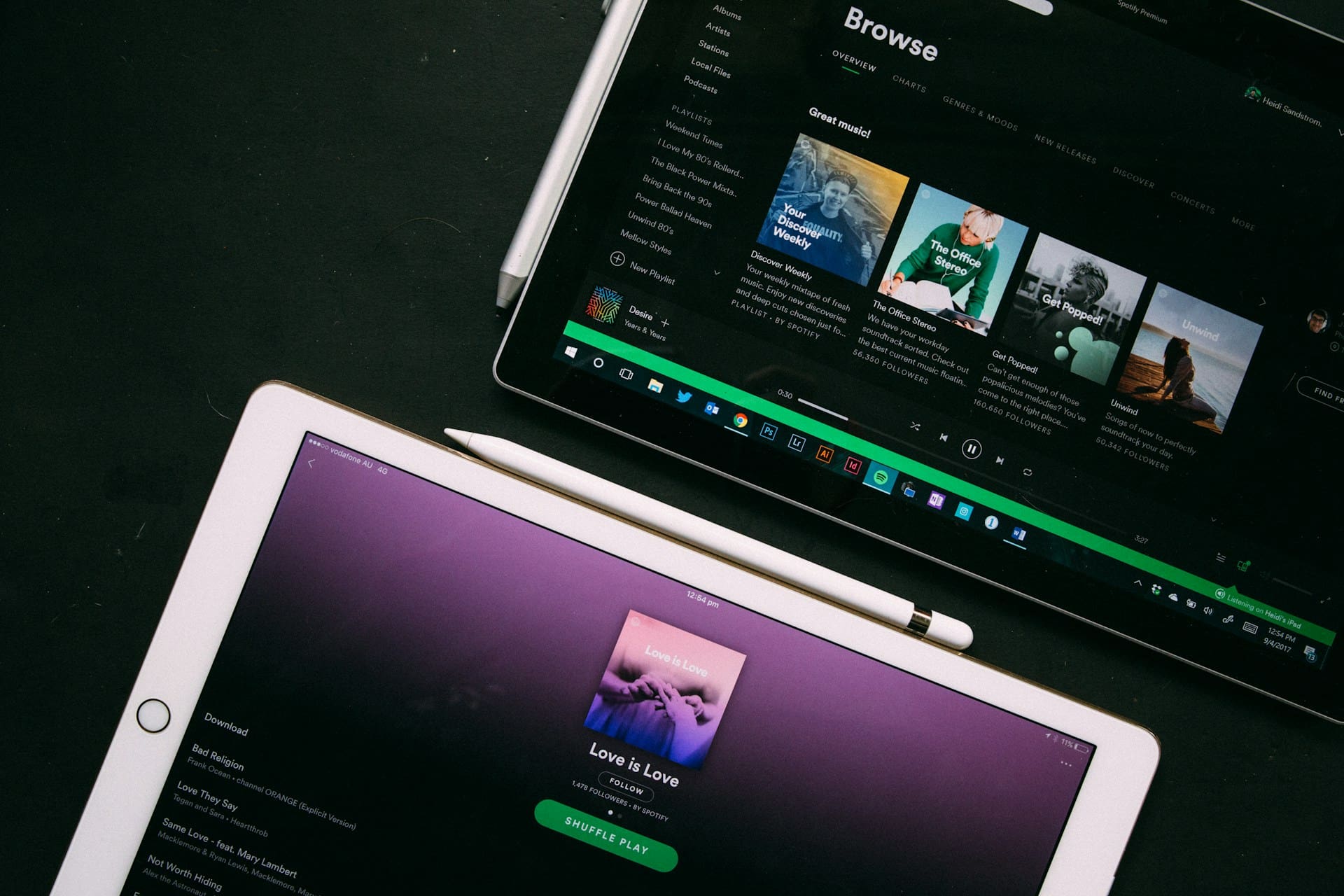
Streaming apps that ignore sound quality lose attention, plain and simple. When audio feels weak, harsh, or hard to hear, people switch to something else, even if the content is great. Real-time AI audio optimization fixes that by tuning sound in the moment so every stream feels clear, balanced, and exciting on any device.
In this article, we will explain what real-time AI audio optimization is, why static audio hurts engagement, how the tech works, and how it can turn normal streams into rich, immersive sessions that people want to keep listening to. We will also touch on how this unlocks new ways to keep users, grow revenue, and stand out when everyone is fighting for the same ears.
Turn Every Stream Into a Personalized Live Concert
Listener expectations have jumped. People now use fast mobile networks, spatial audio formats, fancy earbuds, soundbars, smart TVs, and tiny portable speakers in the same week. But most audio streams are still fixed, one-size mixes that never adjust to what is actually happening around the listener.
Real-time AI audio optimization changes that. It treats every stream like a living performance that:
- Reacts to the device and speaker setup
- Adapts to the room and background noise
- Adjusts based on content type in that exact moment
Instead of a static track, the sound engine makes constant small tweaks. Bass is tightened for small speakers, dialogue is lifted for noisy kitchens, and music gets more depth on bigger systems. The result feels closer to a private concert or cinema session, even if the user is just watching on a phone.
This is not just about audiophiles with expensive headphones. Everyday wins matter more: voices that are easier to follow, fewer sudden jumps in volume, clearer sports commentary, and smoother transitions between devices. All of that removes friction and helps people stay in the app longer, day after day.
Why Static Audio Is Costing You Engagement
Static audio means you send the same master to millions of different setups: cheap phone speakers, old TVs, new soundbars, open-plan offices, and shared living rooms. The stream does not know if the user is rocking high-end earbuds on the couch or fighting traffic noise on a bus.
That creates real pain points like:
- Mumbled dialogue that forces people to rewind
- Music that feels thin on small speakers and boomy on big ones
- Harsh treble that causes listening fatigue
- Huge jumps in loudness between shows, songs, or ads
More people now watch and listen in hybrid settings: working from home some days, commuting on others, sharing space with family, roommates, or coworkers. When audio does not adapt, they end up riding the volume slider or bailing out.
Every one of those tiny annoyances adds up. They show up in hard KPIs like shorter sessions, lower completion rates on long content, fewer ad impressions, and frustration on paid tiers where people expect a premium feel. When the sound does not keep up with their context, they assume the problem is the app, not the speaker.
How Real-Time AI Audio Optimization Works
Real-time AI audio optimization is software that listens while the user listens. It runs alongside the player and makes fast decisions before the user notices an issue.
At a simple level, the AI looks at three kinds of signals:
- Content type: music, movies, sports, podcasts, kids content, live shows
- Device setup: phone, tablet, laptop, TV, Bluetooth speaker, multiple speakers
- Context clues: volume history, time of day, likely noise level, user behavior
Using those signals, it shapes the audio on the fly. For example, it can:
- Bring voices forward in a drama or podcast
- Tighten low end and widen the sound field for music
- Keep commentary clear over crowd noise in a live match
With software-only engines like AiFi from our team in Sweden, this can go even further. Phones, tablets, and speakers in the same room can be synced into one shared sound field. The devices you already have become a coordinated sound system, with timing and balance handled in real time, without special hardware.
For streaming apps, the integration can be light-touch. An SDK or API at the player level, with processing done in the cloud or on device for latency sensitive cases, means you can add real-time AI audio optimization without redesigning the entire user interface.
Beyond Better Sound Retention, Revenue, and New Surfaces
When sound simply works, people stick around. They do not keep reaching for volume controls or switching to a different app. They just feel that the app is more pleasant to use.
Real-time AI audio optimization can support:
- Longer listening and viewing sessions
- Fewer drop-offs in key scenes or songs
- Less frustration in shared or noisy spaces
This better baseline makes room for new revenue ideas. Streaming platforms can test:
- Premium audio tiers with boosted spatial or multi-device sound
- Upsell bundles for home cinema or party listening modes
- Higher value ad formats in richer, more engaging audio scenes
There is also a whole world of new experiences once multiple devices can sync into one immersive sound field. Think of:
- Watch parties where phones and TVs share one coordinated sound stage
- Second-screen sports where commentary, stats sounds, or reactions play on nearby devices
- Local audio activations at home during big music releases or events
At the same time, privacy-safe, aggregated listening context data can help product and content teams. Knowing how people actually listen, not just what they click, can guide better recommendations, smarter defaults, and more relevant audio modes.
Designing Immersive Listening for Every Device and Room
Users now expect their audio to feel good anywhere. That might be:
- Earbuds on a crowded train
- A tablet on a kitchen counter
- A TV with mixed speakers in an odd-shaped living room
Real-time AI audio optimization brings these scattered setups closer to a consistent level. It can correct for weak speakers, awkward placement, and tricky room acoustics. When multiple devices are active, they can be aligned in timing and level so there is one clear sound image instead of messy echoes.
Common use moments show the value clearly:
- A cozy movie night where the TV and a couple of phones fill the room with synced sound
- A live match where commentary and crowd noise stay clear no matter where someone walks
- Big music drops, where laptops, phones, and small speakers join in and still feel tight and together
When every major listening context has a reliable audio floor, streaming apps can compete on experience quality, not just on how many titles they host or how low the subscription price goes.
Make Audio Your Competitive Edge This Season
As new devices land in homes and more content drops at the same time, small details decide which apps win daily attention. Audio is one of the few details that touches every single session.
Product and engineering teams can start by:
- Auditing the audio experience across top devices and rooms
- Mapping where people tend to drop off during audio heavy moments
- Testing AI partners that provide software-only, real-time optimization paths
At Sound Dimension, we built AiFi to turn everyday phones, tablets, and speakers into synchronized, immersive sound systems powered by software. By bringing real-time AI audio optimization into the player layer, streaming apps can move from static, one-size audio to living sound that feels tailored, deep, and hard to walk away from, even on a dark, chilly evening in a small apartment.
Transform Your Audio Experience With Intelligent Optimization
Harness our expertise in real-time AI audio optimization to make every stream sound precisely tailored to your listeners and environments. At Sound Dimension, we help you unlock more engaging, consistent audio across devices and locations without adding complexity to your workflows. If you are ready to explore a tailored solution for your platform, contact us so we can discuss your requirements and next steps.